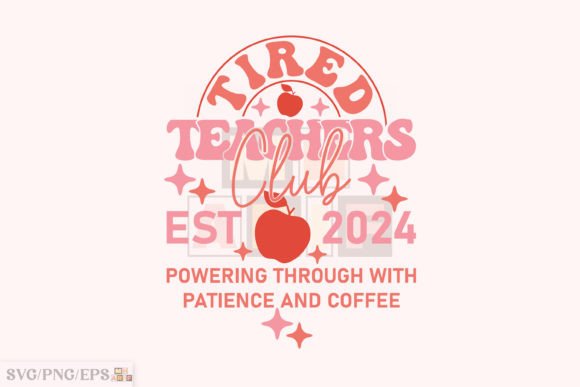
Tired Teachers Club SVG: A Designer’s Review
As an embroidery designer who has spent countless hours digitizing, stitching, and troubleshooting designs for clients, I approach every new machine embroidery design with a critical eye. It is not enough for a graphic to look cute on a screen; it must translate flawlessly into thread. Recently, I evaluated the Tired Teachers Club Teacher SVG Design to determine its viability for real-world projects. This review breaks down how this asset performs from a technical and aesthetic standpoint, specifically for those of us running a craft business or creating handmade products for sale.
First Impressions and Visual Personality
The moment I loaded the file, the mood was immediately clear. The phrase "Tired Teachers Club" resonates with a specific, relatable humor that appeals directly to educators. Visually, the layout balances playful typography with a sense of weary camaraderie. For an embroidery project, this thematic clarity is crucial. Customers do not just buy a design; they buy an identity. This graphic speaks to the end-of-day exhaustion that teachers feel, making it an instant conversation starter.
From a design perspective, the shapes appear clean. When evaluating Graphics intended for stitch-out, I look for closed paths and smooth curves. Jagged lines in a digital file often result in messy satin stitches or excessive jump threads. The Tired Teachers Club Teacher SVG Design seems to prioritize legibility, which is essential when working with thread, as fine details can easily get lost in the fabric texture.
Real-World Application: The Tote Bag Test
To truly understand the potential of this design, I imagined applying it to a popular small shop product: the canvas tote bag. Teachers carry heavy loads—books, papers, and personal items—so a durable tote is a practical gift. Stitching this design onto a natural cotton canvas provides excellent contrast. The sturdy weave of the canvas supports the weight of the thread without puckering, assuming the correct stabilizer is used.
In this scenario, the design acts as a badge of honor. It transforms a generic utility item into a personalized gift that acknowledges the recipient's hard work. For an Etsy seller, this type of application is gold. It moves beyond simple decoration and becomes part of the user’s daily routine. The visual appeal here relies on high contrast. Using white or cream thread on a dark navy or black tote would make the text pop, ensuring the message is readable from a distance.
Apparel and Custom Sweatshirts
Beyond totes, this design shines in custom apparel. A heather grey crewneck sweatshirt is the perfect canvas for this theme. The soft, slightly textured surface of fleece blends well with embroidery, giving the finished piece a premium, boutique feel. However, working with stretchy fabrics requires caution. I always recommend testing the stitch density on scrap fabric first. If the design is too dense, it can cause the fabric to pucker or distort, ruining the drape of the garment.
For sweatshirt embroidery, placement is key. Centering the design on the chest works well, but placing it slightly higher, near the collarbone, can create a more modern, fashionable look. This positioning also avoids interference with pockets or seams. When selling these as T-Shirt Designs or sweatshirt upgrades, remember that the perceived value increases significantly when the stitching is crisp and the backing is neatly trimmed.
Technical Considerations for Stitchers
While the artistic merit is strong, the technical execution determines whether a product is sellable. Here are the critical factors I consider when working with this type of digital embroidery file.
- Hoop Size and Layout: Before starting, confirm the dimensions of the design. Ensure it fits comfortably within your standard hoop sizes, such as 5x7 or 6x10. Crowding the edges of the hoop can lead to stitching errors.
- Stabilizer Selection: For knit fabrics like t-shirts and sweatshirts, a cut-away stabilizer is non-negotiable. It provides long-term support and prevents the design from sinking into the fabric after washing. For woven totes, a tear-away may suffice, but I prefer cut-away for durability.
- Thread Colors: The choice of thread can make or break the design. High-contrast combinations work best for readability. However, avoid neon threads unless specifically requested, as they can look cheap. Matte polyester threads offer a professional sheen that enhances the finished product.
- Detail Level: Inspect the small details. Tiny serifs or intricate loops in the lettering may require a finer needle and slower machine speed. If the design includes very small elements, consider simplifying them or increasing the size of the overall graphic to maintain clarity.
Navigating Fabric Challenges
Not every fabric is friendly to every design. When using the Tired Teachers Club Teacher SVG Design on dark fabrics, you must account for the background color showing through sparse stitching. If the design uses light thread on black fabric, ensure the underlay stitches are sufficient to cover the base material. Conversely, on thin or delicate fabrics, high stitch density can cause pulling. In such cases, using a lighter weight thread or reducing the density in your digitizing software (if you have the editable file) might be necessary.
Curved surfaces, such as caps, present another challenge. The design must be scaled appropriately to fit the front panel without distorting. An embroidered patch might be a safer alternative for hats, allowing you to stitch the design on flat fabric and then attach it to the cap. This method ensures consistent quality and reduces the risk of hooping errors.
Commercial Viability and Brand Consistency
For commercial embroidery professionals and digital product sellers, consistency is vital. This design fits well within a broader collection of educator-themed assets. By offering coordinated items—such as matching mugs, planners, and embroidered goods—you build a cohesive brand identity. The Tired Teachers Club Teacher SVG Design serves as a strong anchor for such a collection.
Customer trust is built on quality. A poorly stitched design reflects badly on your brand. Therefore, always perform a test stitch. Check for thread breaks, nesting, and alignment. Use these tests to refine your tension settings. When you deliver a flawless handmade product, customers are more likely to leave positive reviews and return for future purchases.
Licensing and File Formats
The product description mentions receiving SVG, PNG, and EPS files. It is crucial to understand the difference between these formats for embroidery. SVG and EPS are vector files, ideal for scaling and cutting vinyl, but they are not native embroidery formats. To use this design in an embroidery machine, you typically need DST, PES, or JEF files. If the store does not provide these, you will need to digitize the SVG yourself or convert it using specialized software. Always verify the license terms before selling finished products. Some licenses allow commercial use of physical items but prohibit the resale of the digital file itself.
Final Verdict for Makers
The Tired Teachers Club Teacher SVG Design offers a compelling mix of humor and style that resonates with its target audience. For embroidery designers and crafters, it presents a solid opportunity to create high-demand items like tote bag designs, baby embroidery gifts for teacher’s children, or holiday embroidery presents. Success lies in the execution: choosing the right fabric, stabilizer, and thread combination. By treating this graphic with the technical respect it deserves, you can elevate a simple design into a cherished keepsake. Whether you are an experienced decorator or a hobbyist looking to expand your portfolio, this design warrants a spot in your library, provided you navigate the technical requirements with care.